
Grid History
The concept of the electric grid is about a century old. We take a look at how they have evolved to their modern state.
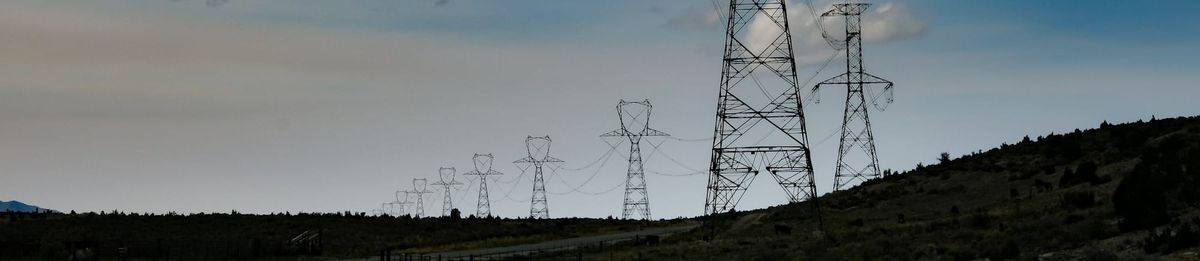
In our previous post on the Decarbonized Grid, we took a look at the grid of the future. In this post we take a look back.
We think of the Grid as ubiquitous, available, delivering power as and when needed. But grids are highly complex systems of ever-changing infrastructure that require operators to connect consumers to producers while matching supply and demand almost instantaneously.
Let's take a look at what grids look like and how they have evolved.
Grid infrastructure is backboned by power transmission and distribution - a system of cables and wires, substations, transformers, circuit breakers and other stability devices - in networked arrangements to deliver connections to consumers large and small. Grids evolve as new connections are made and old ones are retired. These are major infrastructure systems that require significant capital resources to build. Grid Operations (variously described as the conductor or the traffic cop of the energy system) seek to maintain a stable grid by matching supply and demand across and throughout the grid and its segments.
Local, national and regional grids in the major markets are daisychained through interconnectors to form supersized transnational infrastructures. Europe has one of the largest regional interconnected power grids in the world, serving over 400 million customers in 24 countries. In the USA, two thirds of electrical power comes from 7 major independent system operators (ISOs) or regional transmission organizations (RTOs). The US grid connects to the Canadian grid through major transmission lines that run from New England to the Pacific Northwest.
The first grids date back to the late 1800. The concept of connections between local networks for the purposes of peak load coverage and backup power is around since the 1920s. The scale of investment required to run a functioning grid meant that both power provisioning into the grid, and grid systems themselves, were initially dominated by governments and major utilities. Deregulation has allowed smaller parties build market presence in recent decades. The landscape is ever-changing with mergers, acquisitions, consolidations and so on.
Prior to modern deployments of rooftop solar, traffic had been unidirectional with electrical energy moving from medium to large scale generating units through grid systems to the community of consumers.
Utility-Scale Renewables - a game changer
Wind and solar have become more competitive than coal fired power1 a hugely important inflection on the journey to a decarbonized grid. These renewables categories are highly disruptive to the older grid model according as they assume a larger share of generating capacity. There's a particular challenge posed to grid balance and stability.
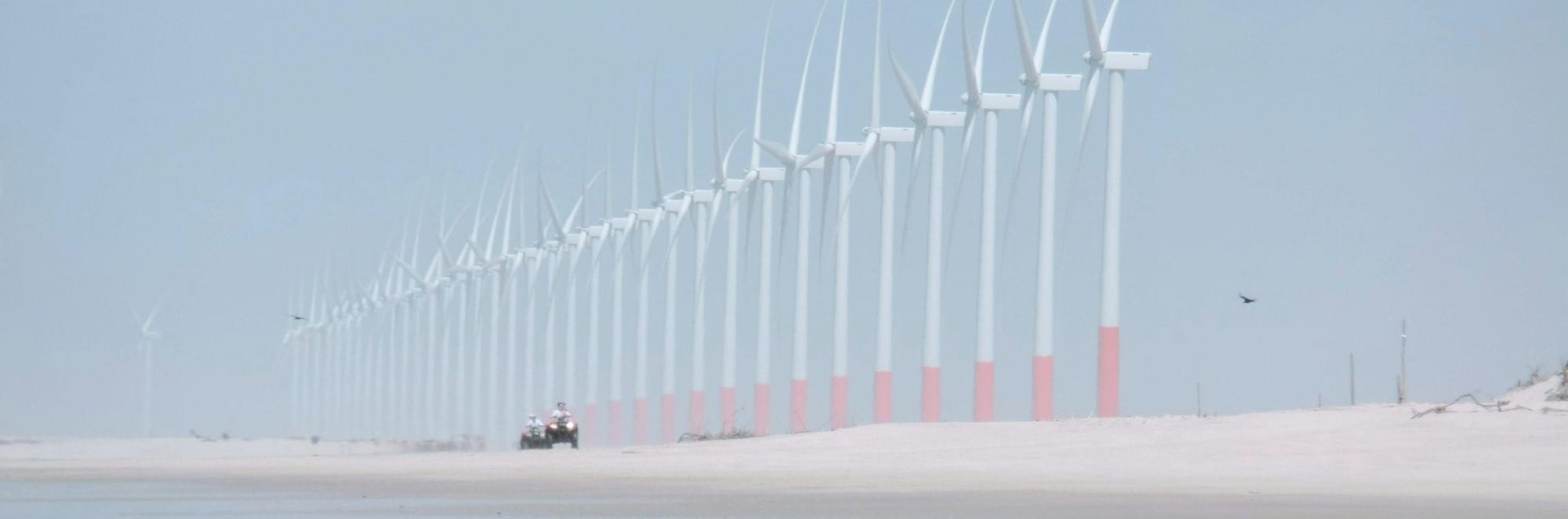
Domestic solar presents an additional challenge - that of accommodating many small and micro-producers of electrical power, most of whom are positioned at the edge of the grid network.
When renewables market share was in low single digit percentages, the ballast (aka Inertia) offered by the Grid meant that renewables-related instability was a rarity, but new challenges emerge as that share grows.
The Duck Curve is a paradox of sorts, where the aggregation of solar without associated buffering capacity presents an additional balancing challenge to grid operators, often resulting in the intentional discarding of renewable energy (or Curtailment). Curtailment is particularly frustrating at this critical time. It can reach anywhere up to double digit percentages depending on territory, conditions, the state of the grid. It's not a simple fix as it requires storage assets, transmission capacity, grid enhancing technologies and smart grid enables devices - all in the correct ratios.
The grid has proven remarkably resilient as it's based on a 100-year-old architecture, and demand has grown by orders of magnitude in that time. It faces its most fundamental transformation yet as grid owners and operators seek to accommodate renewables on their grids.
The relentless growth of utility-scale renewables capacity is wonderful to see. However, wind and solar are energy forms that are highly disruptive to the existing order - economically, technically, operationally and socially.
We'll write about Grid Balance and Stability in our next post and thereafter how storage will play an elemental role in the decarbonized grid.
Further Reading
- Burns & McDonald contribution to utilitydive.com - Let’s not forget about how renewables will impact the distribution grid
References
- IEA — The Coal Cost Crossover 3.0 from energyinnovation.org