Net Zero & the Grid - Overview
Learn about Net Zero & the Grid - Overview in the energy transition.
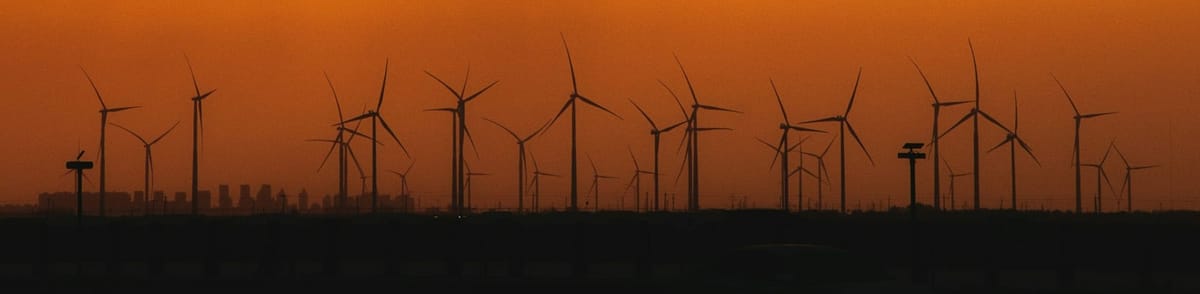
This Energy Transition - the move away from fossil fuels - has made impressive progress. On the energy supply side, steep falls in the cost of solar and wind generation deployment mean that decarbonized energy is now more economical[^2] than fossil by a significant margin - a spread that is only likely to grow[^3].
This is having an extraordinary impact - solar deployments have raced ahead of even the most bullish of forecasts - and show no signs of letting up. However, grid systems must be fundamentally transformed to keep pace with this new paradigm. In this section, we try to provide context to that transformation. We examine the importance of energy storage to a functioning Decarbonized Grid.
To reach Net Zero[^1], over 8Bn people must move to a new energy model in less than three decades. Electrification is critical to this movement and power grids must be transformed to handle up to three times current demand, virtually all of it drawn from decarbonized sources.
This Energy Transition - the move away from fossil fuels - has made impressive progress. On the energy supply side, steep falls in the cost of solar and wind generation deployment mean that decarbonized energy is now more economical[^2] than fossil by a significant margin - a spread that is only likely to grow[^3].
This is having an extraordinary impact - solar deployments have raced ahead of even the most bullish of forecasts - and show no signs of letting up. However, grid systems must be fundamentally transformed to keep pace with this new paradigm. In this section, we try to provide context to that transformation. We examine the importance of energy storage to a functioning Decarbonized Grid.
Clean electricity is to be the linchpin of the global energy system(d), providing 50% of total final consumption by 2050, up from 20% in 2020. This requires two distinct but co-dependent movements:
- Mass electrification of devices that previously ran on fossil fuel
- Transportation of predominantly decarbonized power to that enlarged market
But Grid systems have a journey to travel in order to be ready to connect decarbonised sources at the required scale or to deliver that increased power demand. The principle of a Decarbonized Grid is elemental to Net Zero. Our focus in on the storage devices that buffer the variability of wind and solar and smooth out the energy supply. A fundamental transformation in energy storage is underway.
- Electrify Everything - the rationale for extensive device electrification
- Decarbonize the Grid - and the monumental challenge it represents
- How Grids Evolved - a brief history to inform the challenges ahead
- Grid Balance & Stablility - and how solar and wind generation present new challenges
- Grid Bottlenecks - their impact and why they are more likely
- What is the “Smart Grid” - the ongoing journey of grid digitization
Definitions & References
(a) The IEA’s pathway for the global energy sector to reach net zero CO2 emissions by 2050 - Net Zero Emissions by 2050
(b) PV Magazine, Dec 2023 - Solar levelized cost of electricity is 29% lower than any fossil fuel alternative and Jul 2025 - Solar cost of electricity beats lowest-cost fossil fuel
(c) Jenny Chase, lead solar analyst at BloombergNEF. “Every time you double the cumulative amounts of solar-power modules that the human race has made, we bring the cost down about 29%,”
(d) From the IEA’s World Energy Outlook 2022
Definitions & References
[^1] The IEA’s pathway for the global energy sector to reach net zero CO2 emissions by 2050 - Net Zero Emissions by 2050
[^2] PV Magazine, Dec 2023 - Solar levelized cost of electricity is 29% lower than any fossil fuel alternative and Jul 2025 - Solar cost of electricity beats lowest-cost fossil fuel
[^3] Jenny Chase, lead solar analyst at BloombergNEF. “Every time you double the cumulative amounts of solar-power modules that the human race has made, we bring the cost down about 29%,”
[^4] From the IEA’s World Energy Outlook 2022
Category: Net Zero & the Grid